Beyond Mysticism: The Modern Northwest
Seattle Art Museum, Seattle, WA - To Aug 2
In September 1953, Life magazine published an article titled “Mystic Painters of the Northwest.” The article brought the Northwest School to the attention of the art world and canonized Mark Tobey, Kenneth Callahan, Guy Anderson and Morris Graves as its leaders. The “mystic” label was a nod to the Asian and Native American influences present in their art. Now the Seattle Art Museum has undertaken a comprehensive survey of the Northwest School in a sprawling exhibition of over 150 works spanning the 1920s to the 1980s.
“The story of modern art in the Pacific Northwest extends far beyond Tobey, Graves, Callahan and Anderson,” says curator Theresa Papanikolas. “Many artists from the Seattle region engaged directly with the realities of their time and brought Modernist ideas into dialogue with the Pacific Northwest experience.”
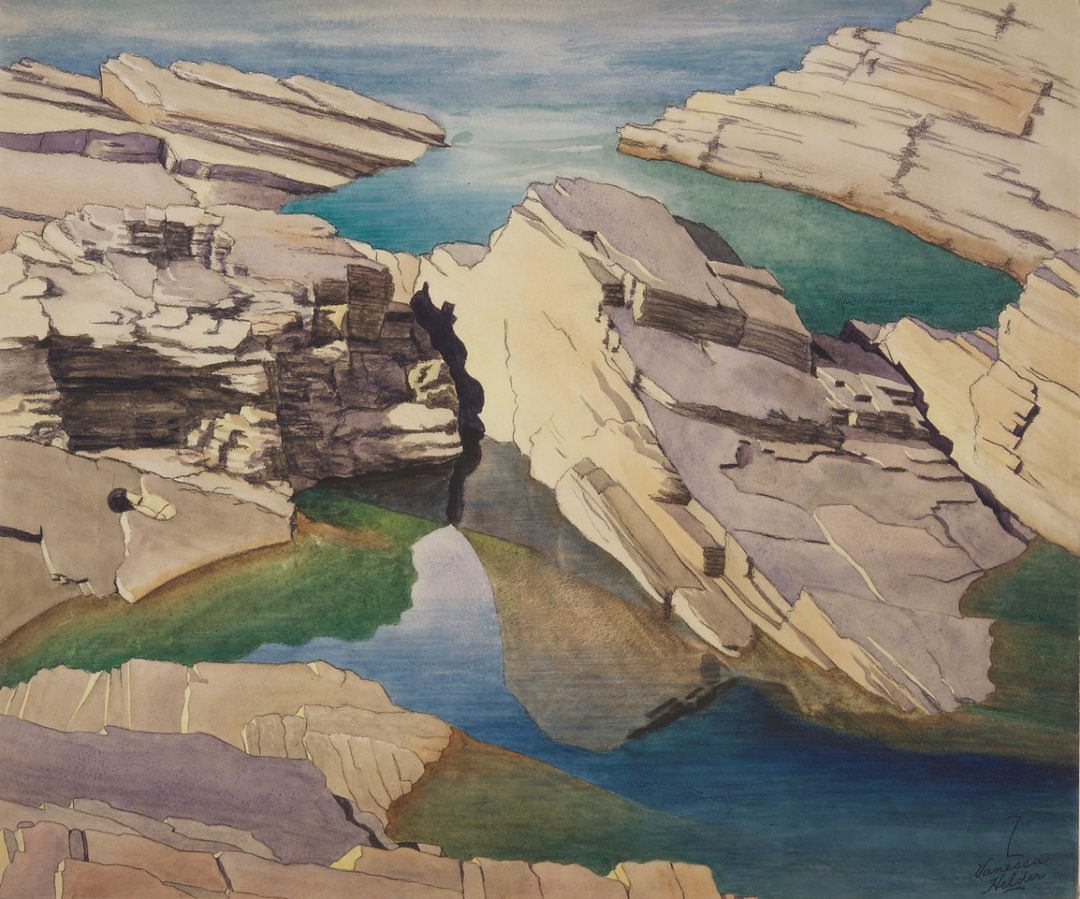
Beyond Mysticism: The Modern Northwest is organized around four themes identifying major trends in Northwest art and linking them to national and international art movements. “The City and Industry” includes urban and industrial scenes painted in the Social Realist style that dominated American art during the Depression. Twenty-three of Z. Vanessa Helder’s watercolors documenting construction of the Grand Coulee Dam form an important body of work within this theme. “Nature” continues in this Realist vein, with Northwest landscapes depicting the impacts of industrial farming and logging.
Originating in Europe in the 1920s, Surrealism tapped into dreams and the subconscious for inspiration and imagery. Northwest artists adopted Surrealism as an alternative to Social Realism, producing “Uncanny Landscapes,” the third theme. Eerily familiar scenes of local shorelines and landmarks by Malcolm Roberts hang near works by Salvador Dalí and Yves Tanguy.
Northwest artists brought “A Pacific Perspective” to the Abstract Expressionism that dominated American art after World War II, applying the bold gestural techniques of Asian calligraphy to paintings. Paul Horiuchi’s collages of Japanese papers on folding screens and George Tsutakawa’s Obos sculptures bring an Asian sensibility to large-scale abstraction.
Panel discussion with admission June 11, 6:30–8pm