Nuxalk Strong: Dancing Down the Eyelashes of the Sun
Museum of Anthropology at UBC, Vancouver, BC - To Jan 4, 2026
This exhibition is the first ever dedicated to the artistry and resilience of the Nuxalk Nation. With 71 items from MOA’s collection, other museums and Nuxalk members, the historic objects in Nuxalk Strong are both “belongings and treasures,” says co-curator Jennifer Kramer. The exhibition also highlights the work of contemporary Nuxalk artists.
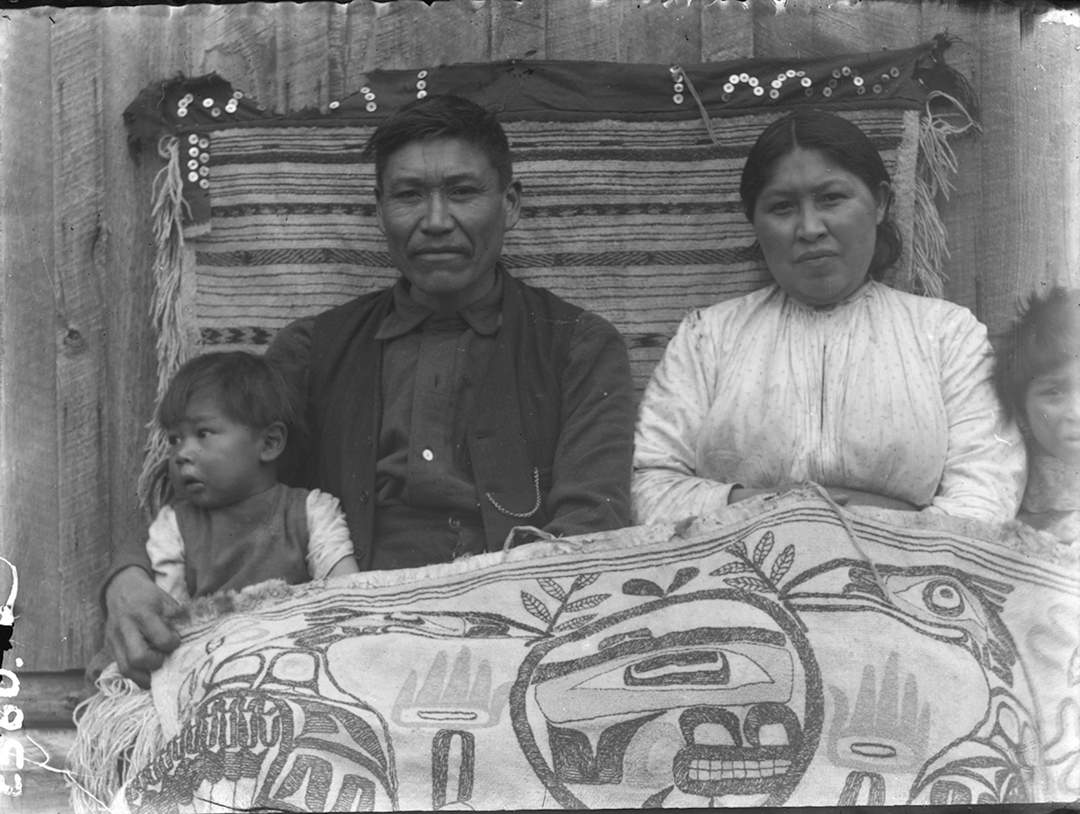
Pieces on display include masks raven rattles, yakyanlh—or robes— made from mountain goat wool, a ceremonial talking stick and a potlatch hat woven from cedar bark. One yakyanlh, on loan from Calgary’s Glenbow Museum, was of particular importance to families in the community, says Kramer. It had been given to staltmc or hereditary leader Willie Hans by his father Tallio-Hans but in the 1970s was given to a museum for safekeeping and then sold to the Glenbow. These items demonstrate “the foresight of our Elders who strategically placed our treasures in museums for safekeeping at a time when our culture and language were being oppressed and we were forced to confine to colonial ways,” says Snxakila-Clyde Tallio, the show’s co-curator and the nation’s cultural director who has worked to revitalize Nuxalk culture, language and ceremonies.
A collection of Nuxalk masks, regalia and cedar bark weavings gifted to T.F. McIlwraith, an ethnographer and author that worked with the Nuxalk in the early 1920s, will be returned to the nation after the show in a gesture of “reconnection, return [and] repatriation,” says Kramer.
“Museums are historically colonial agents, trophy houses of settler nationalism, but we’re trying to show that 21st-century museums can be different, can be allies, can work together to represent to the world the strength and agency and powerful ways of thinking and knowing about the world that the Nuxalk are doing,” she says. “So it’s very future focused. It’s about sovereignty. It’s about energy. It’s about vitality. I’m very excited about it.”