Jaad Kuujus: Everyone Says I Look Like My Mother
Museum of Anthropology at UBC, Vancouver, BC - To March 29
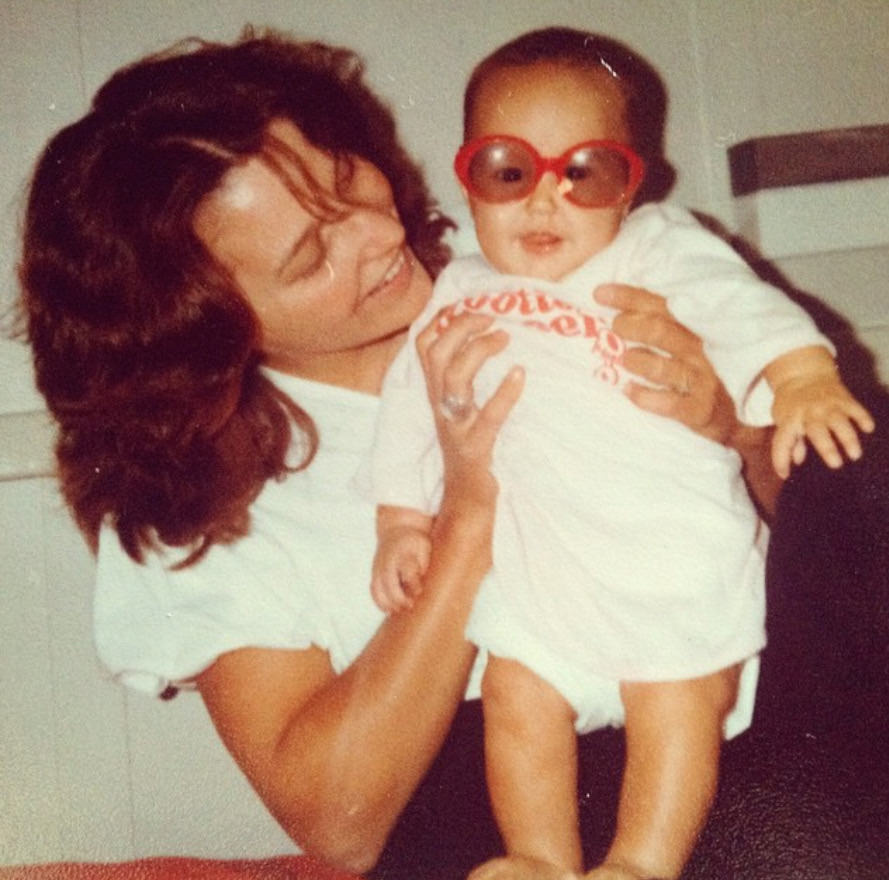
Mountain goat wool weaves through much of the debut exhibition of Jaad Kuujus (Meghann O’Brien) at UBC’s Museum of Anthropology, which consists of more than a dozen of the artist’s weavings and their digital translations. It shows up in Everyone Says I Look Like My Mother (2020), the show’s titular piece. O’Brien used white threads of hand-spun wool and yellow cedar bark to weave a T-shirt that she says plays on the tension of making a typically commercial product out of a sacred medium.
The wool is also present in Clouds (2010), a display of delicate hand-twisted yarn that offers a window into how the fibre is spun from raw fleece, a skill O’Brien learned from apprenticeships with master Ts’msyen weaver Tsamiianbaan (William White) and Haida/Kootenay artist SGaan Jaad (Sherri Dick), among others. It was under White’s guidance that O’Brien, who is of Haida, Kwakwakw’wakw and Irish descent, created The Spirit of Shape (2015–18), a spectacular recreation of a Naaxiin (Chilkat) apron. Woven from cedar bark and cashmere, the piece references European contact on the Northwest Coast, with the two sides representing pre- and post-contact, and is a “reclamation of the belonging’s spirit,” according to the museum’s statement.
The wool then takes on new shape as a machine-woven textile in O’Brien’s piece The Burden of Being an Echo (2025): five digital-jacquard robes based on two earlier works, Sky Blanket and its digital representation Wrapped in the Cloud, which was a media installation created in collaboration with Simon Fraser University’s Making Culture Lab. The Burden of Being an Echo, woven at the historic textile factory EE Labels in the Netherlands, transmediates new digital representations of Sky Blanket into the digital-jacquard woven robes currently on display.
O’Brien, who co-curated the exhibit with associate professors Hannah Turner (UBC) and Kate Hennessy (SFU), chose to display the works in a circular shape on curved pink textile walls, a move that she says “encourages a relational rather than hierarchical understanding of the works.” She adds that the curved space evokes the “themes of repetition, regeneration, and return at the heart of the exhibition.”